Strategies for Selling a View Home in Oro Valley
April 16, 2026
April 16, 2026
If you own a view home in Oro Valley, you may be sitting on one of the market’s most valuable advantages, but only if you present and price it the right way. Buyers do not pay a premium just because a listing says “mountain views.” They pay more when the view feels clear, private, usable, and woven into everyday living. In this guide, you’ll learn how to protect that premium, avoid common pre-list mistakes, and position your home for a stronger sale. Let’s dive in.
Oro Valley offers a setting that naturally supports lifestyle-driven home values. The town sits in northern Pima County, about three miles north of Tucson, between the Catalina and Tortolita mountain ranges at roughly 2,620 feet in elevation. According to the Town of Oro Valley, its identity is closely tied to sunny weather, mountain scenery, parks, and trails.
For sellers, that matters because a view home here is not just about what you see from a window. It is also about how your property connects to the outdoor experience buyers already associate with Oro Valley. The town’s Vistoso Trails Nature Preserve, for example, highlights mountain views and trail connectivity, reinforcing how open space and scenery shape local buyer expectations.
Not all views carry the same premium. Research shows that buyers respond to the quality of the view, not just the presence of one. A single-family housing study on scenic visibility found measurable value tied to scenic access, while other view research shows premiums can vary widely depending on whether the view is partial, obstructed, or fully open.
That means your home’s value is likely shaped by several factors working together:
Broader housing research also found that orientation, window area, daylight, ventilation, and view quality all influence buyer willingness to pay. In simple terms, buyers are often valuing how the landscape is experienced from your home, not just whether your lot technically has a view.
In a premium market segment, it is easy to assume a great view will sell itself. Current Oro Valley data suggests otherwise. Zillow reports an average home value of $506,584 as of March 31, 2026, a median sale price of $485,817, and a median sale-to-list ratio of 0.981. The research report also notes Redfin data showing homes selling about 2% below list on average, with longer marketing times than many sellers expect.
The takeaway is clear: even exceptional homes need a disciplined launch. If you overprice based on a generic idea of “view premium,” you risk chasing the market. If you price based on comparable homes that share similar view quality, privacy, elevation, and orientation, you are more likely to attract serious buyers early.
Before spending money on upgrades, focus on anything that affects how clearly buyers can see and enjoy the setting. This is often where sellers gain or lose value.
Cosmetic distractions can weaken a strong first impression. Clean windows and sliders, refresh faded trim, replace worn sealants, and simplify bulky patio furniture so the eye goes to the mountain backdrop instead of clutter. A view premium depends heavily on how easily buyers can perceive the landscape from inside and outside the home.
In Oro Valley, the best landscape strategy is often restraint. The University of Arizona’s Smartscape program focuses on the design, irrigation, and maintenance of desert-adapted landscapes, which can help your yard read as intentional and low-maintenance rather than overgrown or labor-intensive.
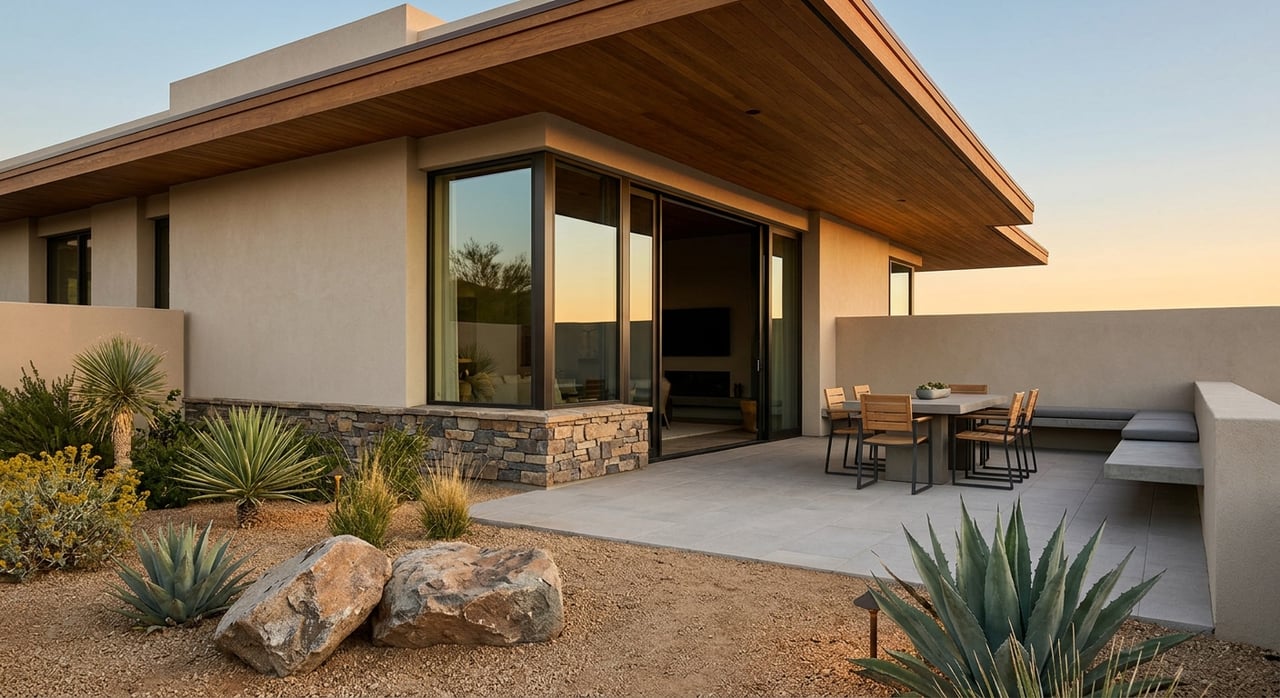
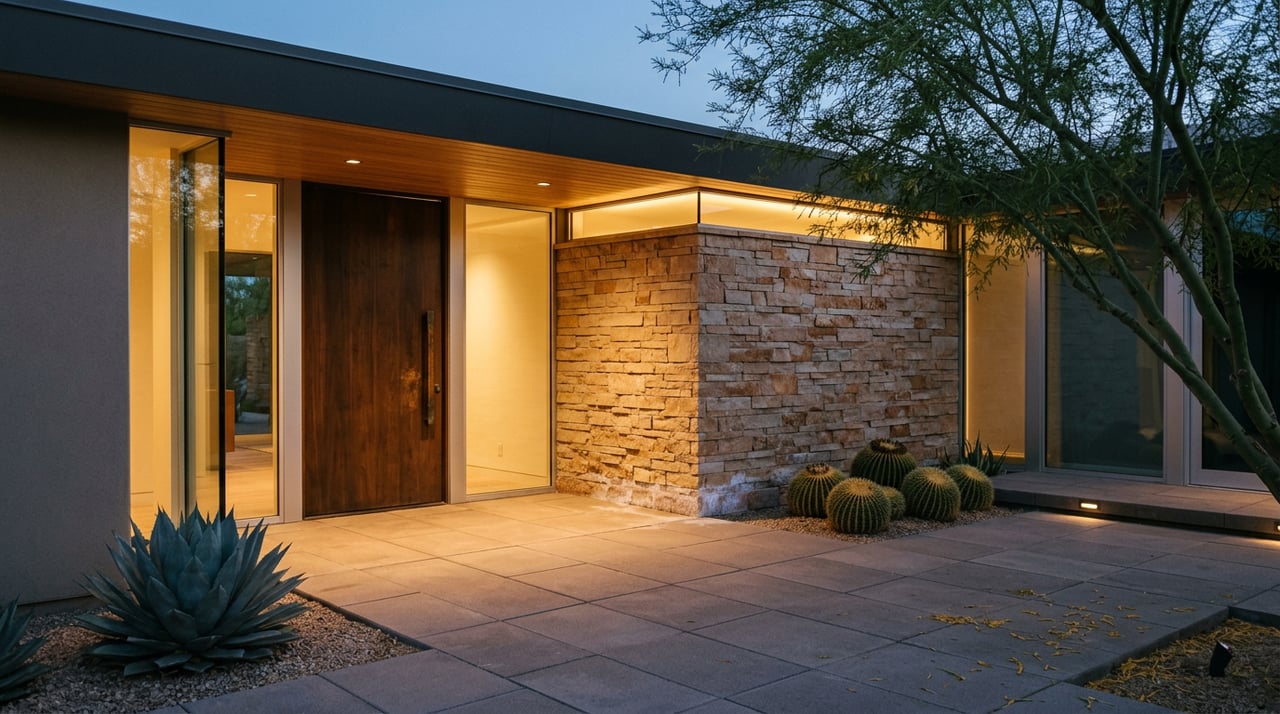
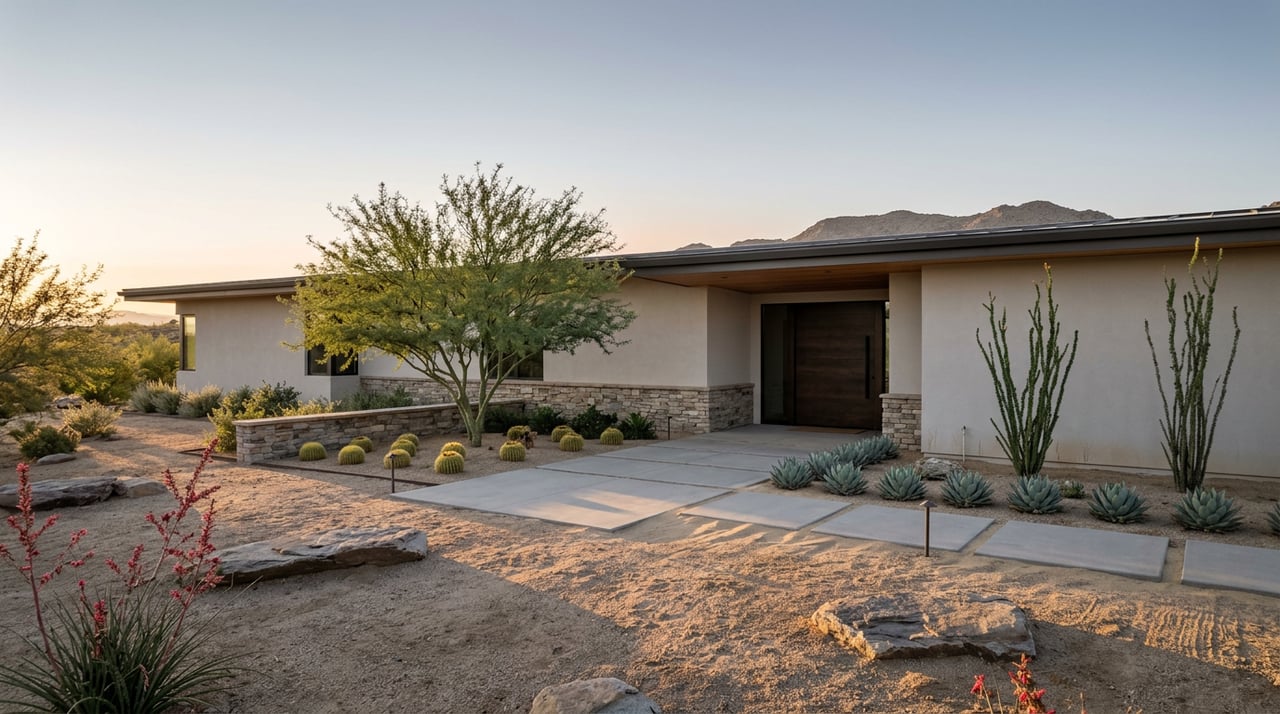
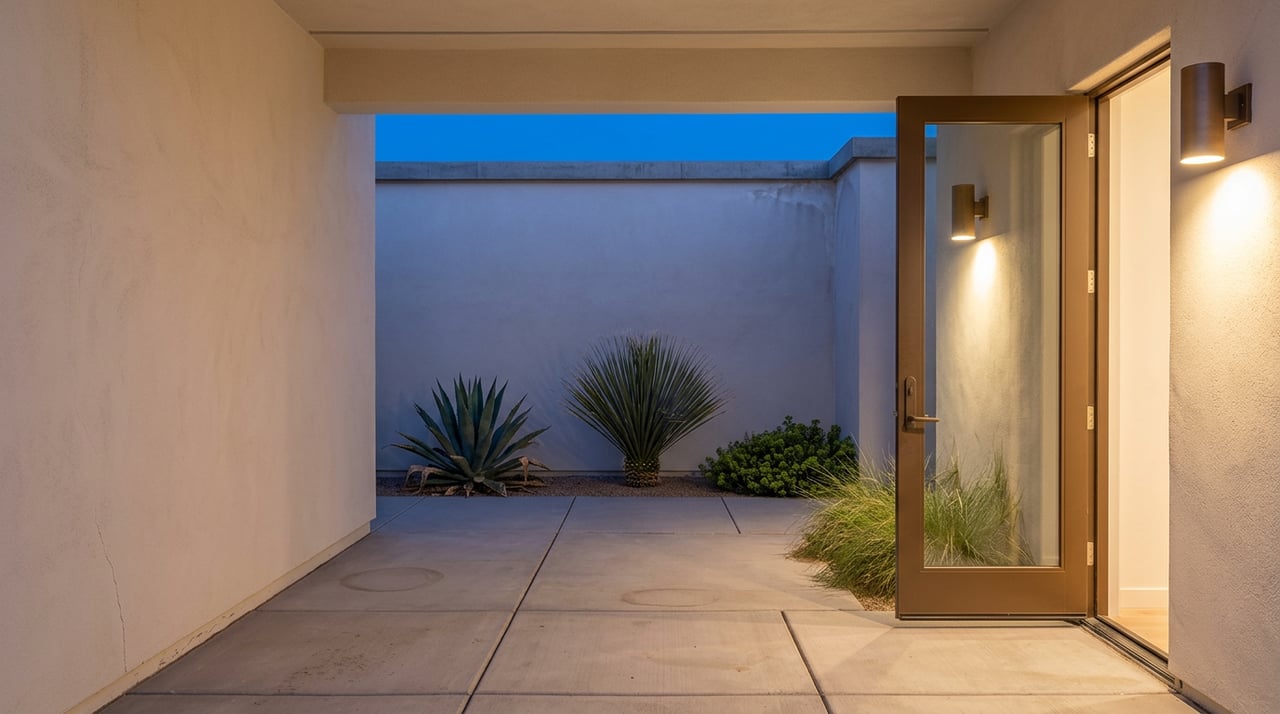
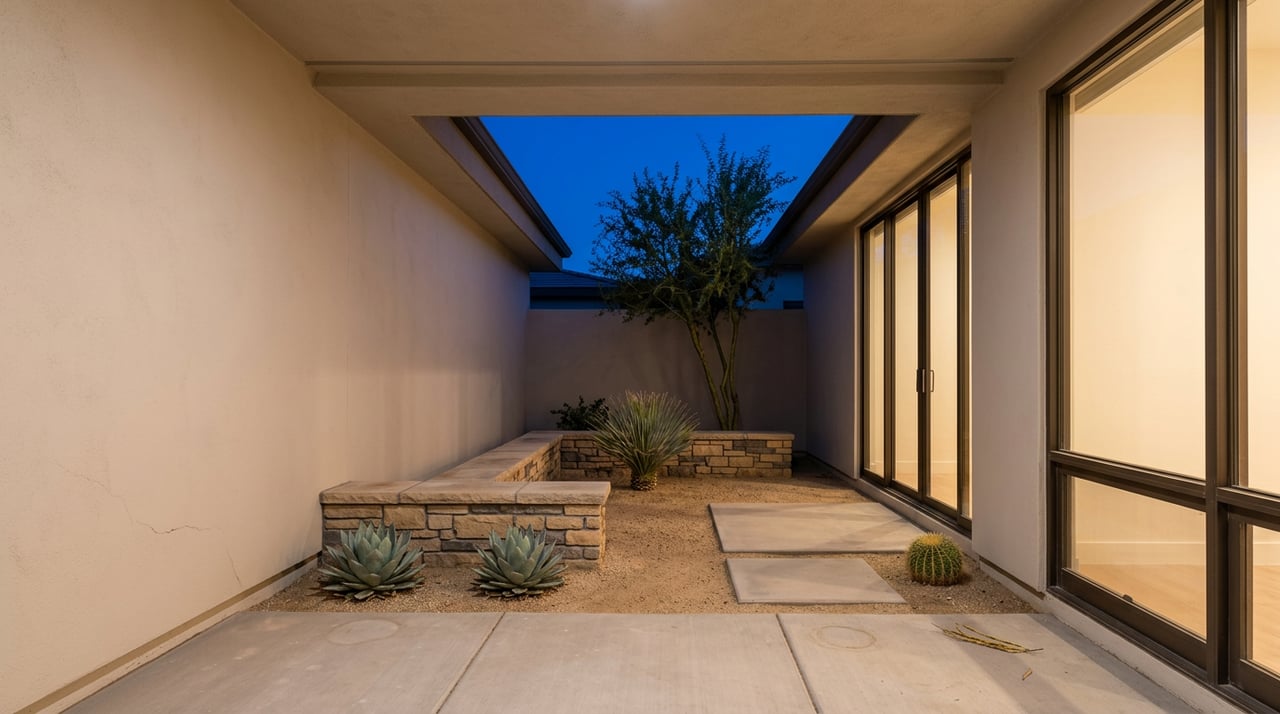
For a view home, the foreground should support the scenery, not compete with it. Clean gravel beds, well-placed agaves or cacti, and tidy hardscape usually frame the mountains better than dense plantings. The goal is to make the Catalina or Tortolita backdrop feel like the hero of the property.
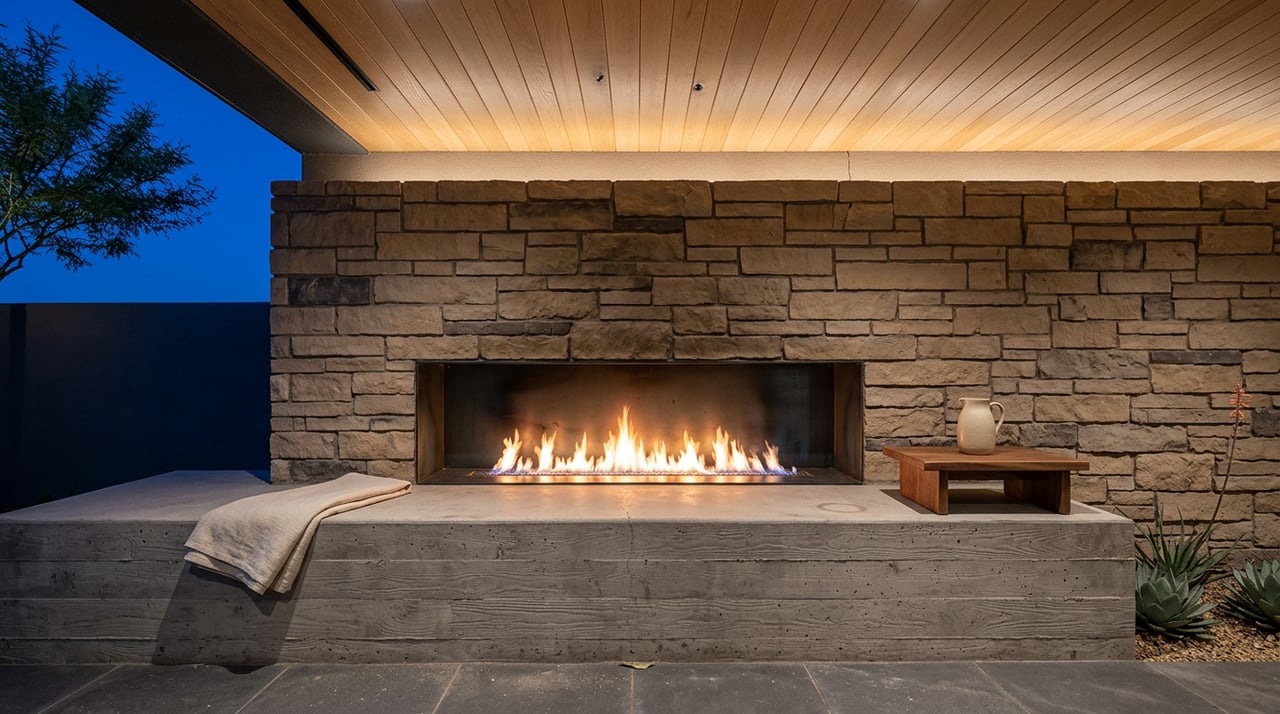
Outdoor living can absolutely help support value when it increases comfort without blocking the view. The University of Arizona Cooperative Extension notes that desert-adapted vines can provide quick shade, reduce glare, and serve as privacy screens. It also recommends practical materials like rock, gravel, concrete, and flagstone for durable, lower-maintenance outdoor areas.
That said, bigger upgrades should be considered carefully. The Town of Oro Valley permit guidance notes that many additions, decks over 30 inches, pools, spas, and hardwired retractable awnings or shades require permits, and some projects may trigger grading review. If timing matters, lower-risk cosmetic work often delivers a better return than a rushed construction project.
If your home sits on a slope or has retaining walls, cleared land, or room for a new outdoor feature, do your homework before marketing a future improvement. Oro Valley’s permit guidance warns that conservation easements, utility easements, floodplains, and other restrictions can affect where structures and amenities may be placed.
The town also offers zoning verification letters and permit guidance, which can help clarify legal uses, zoning, and development history. For a high-value property, confirming these details early can prevent delays, buyer concerns, or price renegotiations later.
A view home should be staged differently than a standard suburban property. The purpose of staging is not to fill space. It is to direct attention.
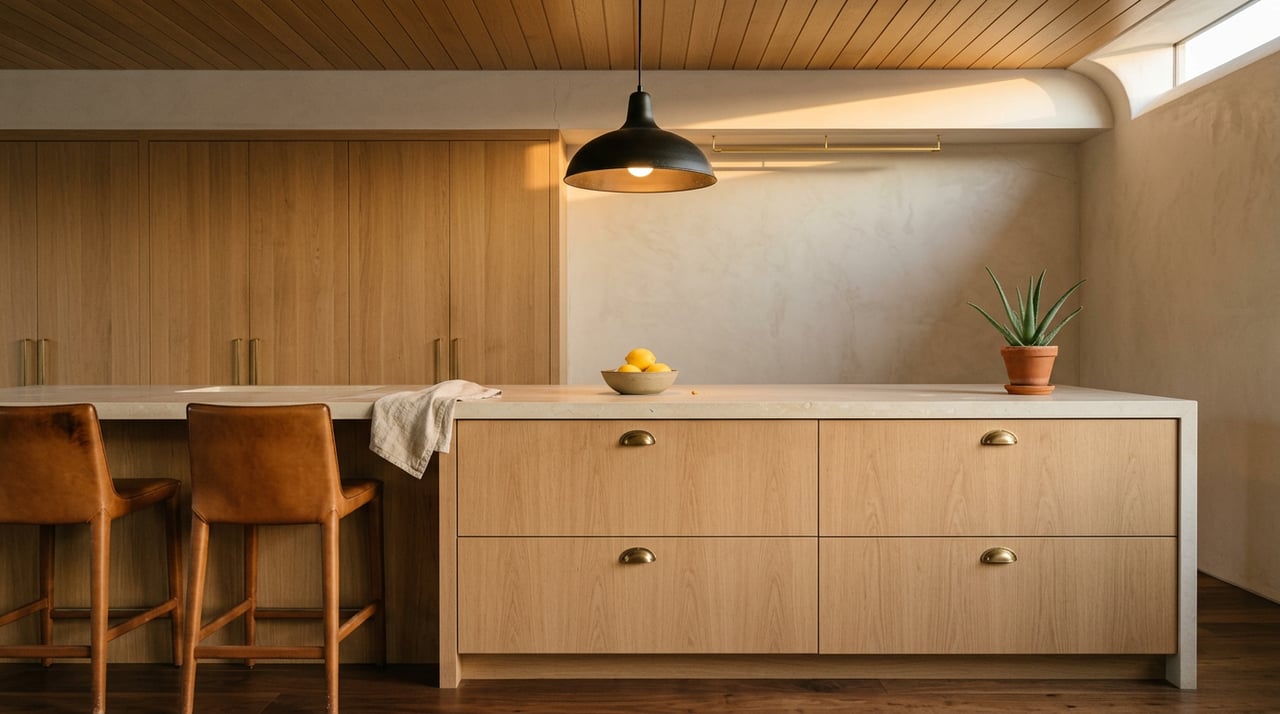
Focus on the rooms where buyers will feel the scenery most strongly, such as the great room, kitchen, patio, and primary suite. Furniture placement should pull the eye outward. Window treatments, decor, and accessories should stay minimal enough that the landscape remains the natural focal point.
Research shows that view quality and unobstructed sky influence value, which makes the connection between interior rooms and outdoor living especially important. In Oro Valley, where climate and scenery are part of the appeal, buyers often see the patio, covered terrace, or view-facing seating area as an extension of the home itself.
If your layout supports it, make sure that flow is obvious. Open sightlines, clean thresholds, and simple outdoor seating can help buyers picture morning coffee, sunset dinners, or quiet evenings facing the mountains.
Luxury buyers expect more than attractive language. Your marketing should explain why the home is special in concrete, supportable terms.
That includes details such as:
This matters for more than buyer appeal. According to Fannie Mae’s guidance on the sales comparison approach, appraisers must analyze the most comparable sales, listings, and contract sales. A well-documented view premium can help support the right comparable framework during the appraisal process.
One of the first questions many buyers will ask is simple: Will this view stay the same? For an Oro Valley view property, that is a fair and important question.
Oro Valley planning documents treat views as a formal design issue. The town’s Oracle Road Scenic Corridor planning materials discuss panoramic mountain views, view corridors, and scenic background views as meaningful planning considerations. If your home’s outlook benefits from adjacent open space, corridor protections, or known development history, that information should be gathered and shared early.
Doing so creates confidence. It also helps your listing stand apart from others that rely on vague phrases without any supporting context.
If you want to maximize value, your strategy should stay focused and disciplined. In most cases, that means:
In a market where homes are often selling close to list rather than far above it, precision matters. A mountain-view property in Oro Valley can absolutely command stronger interest and pricing, but only when the presentation, evidence, and strategy all work together.
If you are preparing to sell a view home in Oro Valley, working with an advisor who understands lot position, construction considerations, view preservation, and high-end marketing can make a meaningful difference. For a private consultation and a tailored strategy for your property, connect with Suzie Corona.
Get assistance in determining current property value, crafting a competitive offer, writing and negotiating a contract, and much more. Contact me today.