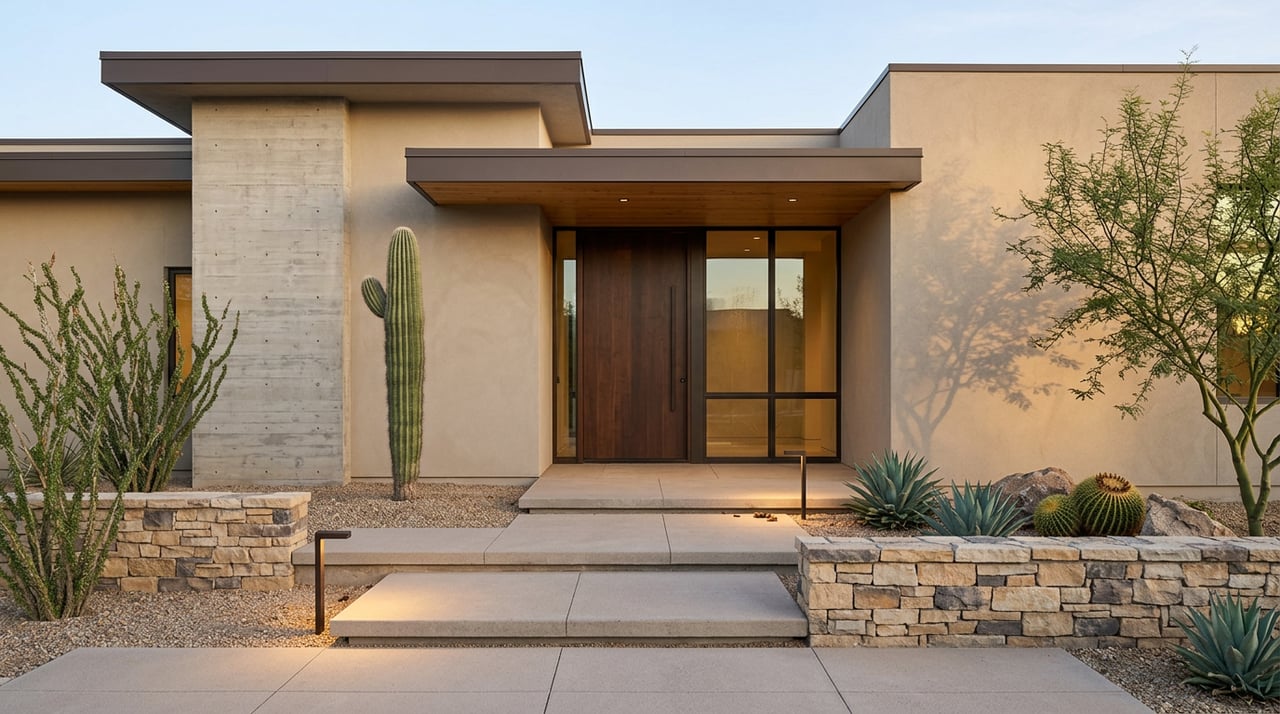
Buyer’s Guide to Stone Canyon Custom Home Lots
March 5, 2026
March 5, 2026
If you are dreaming about a custom desert modern home with mountain views, Stone Canyon deserves a close look. Buying the right homesite here is not just about scenery. It is about understanding slopes, approvals, utilities, and costs before you commit. In this guide, you will learn how to evaluate a lot with confidence, avoid common pitfalls, and set a realistic plan from offer through build. Let’s dive in.
Stone Canyon is a private, guard‑gated championship golf community at the base of the Tortolita Mountains. The master community spans roughly 1,300 to 1,500 acres across neighborhoods and open space, with luxury custom estates and buildable parcels available. Homes are luxury priced, often in the millions, and lot sizes and pricing vary by sub‑neighborhood. You can explore community context through the Stone Canyon Club’s real estate page for an overview of the setting and lifestyle.
Building a custom home here requires you to clear three separate approval tracks. Confirm which ones apply to your specific lot before you write an offer.
Oro Valley’s zoning code includes Hillside and Environmentally Sensitive provisions that control development on slopes and near ridgelines. These rules influence how building height is measured on slopes and what you can do near protected features. Review the hillside section to understand how your lot’s slope affects the allowable building envelope.
Much of Stone Canyon sits within the Rancho Vistoso Planned Area Development. The PAD and recorded plats often dedicate hillside and open‑space tracts, identify building envelopes, and include view or buffer language. These recorded items can both protect your views and limit where and how you build.
Stone Canyon’s HOA and ACC oversee exterior design, materials, wall and fence placement, lighting, landscaping, and native plant salvage plans. HOA approval is separate from Town permits and can add conditions that shape your design. Before you make an offer, request current CC&Rs, Design Guidelines, and the ACC checklist so you know the standards and review timing.
Steep, view‑oriented lots are common here. That is part of the appeal and a key cost driver. Oro Valley’s grading permit rules set clear technical triggers that can expand your budget and schedule.
Key slope triggers: if the proposed building pad has an average cross slope of 6 percent or more, or if the parcel’s average cross slope is 15 percent or more, you should expect engineered grading plans and a more intensive review. Retaining walls over modest heights often require structural calculations and separate wall permits.
What to do: order a recent topographic survey with 1 to 2 foot contours tied to the recorded plat before you remove contingencies. Pair it with a geotechnical reconnaissance to identify foundation type, excavation limits, rock removal or blasting potential, and retaining wall needs.
Town grading permit guidance and submittal requirements: Apply for a Grading Permit.
Two forces protect the view experience in Stone Canyon: recorded open‑space and hillside dedications in the PAD and plats, and the Town’s hillside and ridgeline rules. If views are a primary driver for your purchase, make it a contingency to review title, the recorded plat, and a map of dedicated open space on and around the lot. Confirm whether a neighboring parcel could still develop within your view corridor.
Stone Canyon’s desert setting includes mature saguaros and native plant communities. Oro Valley commonly requires a Native Plant Salvage plan with grading submittals. Very large saguaros may be expensive to relocate and some species are protected. Clarify who pays for transplanting or removal and what approvals are needed before you commit to a design.
Wildland‑urban interface conditions also mean you should expect defensible‑space requirements around the home. National guidance recommends an ember‑resistant zone within 0 to 5 feet and managed zones out to 30 to 100 feet. Ask how these zones will affect your landscape plan and ongoing maintenance.
Exterior lighting is typically limited by the HOA and design guidelines to preserve dark skies and neighborhood character. Plan to submit fixture types and photometrics if required by the ACC.
Many Stone Canyon lots have water, sewer, and power near the lot line, but do not assume hookups are free or immediate. Confirm whether potable water and sanitary sewer are present on the lot, identify the water provider, and get preliminary tap and impact fee estimates. If utilities are not stubbed to the lot, budget for service extensions and frontage work. Also confirm driveway location and any access limits that may be recorded alongside hillside or open‑space tracts.
Use this step‑by‑step list before writing an offer. Make each item a written contingency when possible.
Beyond land price, plan for these line items early so you are not surprised later:
From lot purchase to move‑in for a high‑end custom home on a hillside lot, a realistic range is about 12 to 36 months depending on complexity.
Starting your topo survey, geotechnical reconnaissance, and Town pre‑application early will keep your schedule on track.
Buying the right Stone Canyon lot is about precision. With developer‑level experience in Stone Canyon and deep relationships across Oro Valley, you get a calm advocate who can anticipate issues, line up the right consultants, and keep decisions moving. You can expect discreet, concierge‑level guidance from first tour through ACC approvals and construction handoff.
If you are ready to evaluate lots or want a second opinion on a parcel you are considering, request a one‑on‑one with Suzie Corona.

Get assistance in determining current property value, crafting a competitive offer, writing and negotiating a contract, and much more. Contact me today.