
Golf Community Living Guide for Dove Mountain Buyers
December 4, 2025
December 4, 2025
Picture your morning tee time framed by the Tortolita foothills, with quiet desert light and sweeping Sonoran views. If you are weighing a primary or second home in a golf community, Dove Mountain in Marana delivers that setting with a refined, resort-forward lifestyle. You also want clarity on HOAs, memberships, seasons, and what truly drives value. This guide walks you through the essentials so you can buy with confidence. Let’s dive in.
Dove Mountain sits in the foothills of the Tortolita Mountains within the Town of Marana, just north and northwest of Tucson. The setting is classic Sonoran Desert with saguaro, rugged ridgelines, and neighborhoods designed to protect view corridors. You get a resort environment with access to metro Tucson services and an international airport while prioritizing quiet, open desert living.
Dove Mountain is known for a Jack Nicklaus–designed golf facility that has hosted national-level tournaments, which helped define its reputation as a premier golf destination. The Ritz-Carlton, Dove Mountain brings a high-end hospitality layer with spa services, dining, pools, and event spaces that often integrate with residential club privileges. Beyond the fairways, you can enjoy clubhouse fitness, tennis or pickleball, and trail systems popular for hiking, running, and mountain biking into the Tortolita foothills. Daily life balances privacy, recreation, and a social calendar that ramps up in winter.
Dove Mountain is a master-planned area made up of multiple gated and non-gated neighborhoods. Most buyers will interact with two layers of governance:
Expect to review and comply with Covenants, Conditions & Restrictions (CC&Rs). Most neighborhoods use an Architectural Review Board to approve exterior changes like paint colors, patio additions, solar arrays, fences, and landscaping. Design guidelines aim to protect the desert character and views.
HOA assessments typically fund common-area maintenance, private roads or gates, and shared landscaping. Always request the current budget, recent financials, the most recent reserve study, and any history of special assessments. Reserve strength matters, especially in communities with aging private infrastructure.
Many HOAs use minimum lease terms and may limit short-term rentals. Rules can cap how often you rent in a year or restrict vacation rentals altogether. If you plan to rent, confirm policies for both the master and sub-association before you write an offer.
Arizona statutes govern HOA disclosures and operations, but CC&Rs and bylaws control how a specific association runs day to day. Ask for CC&Rs, bylaws, current rules, budgets, financial statements, meeting minutes, insurance summaries, and any litigation disclosures. Well-documented associations make ownership simpler.
Membership models vary across resort and residential clubs. You may see:
Costs usually include an initiation fee, monthly or annual dues, cart fees, and sometimes food and beverage minimums. Some neighborhoods tie homes to certain membership options, while others make membership optional. Always request the club’s membership document packet, fee schedule, waitlist details, guest policies, and tee-time priority rules.
Dove Mountain follows a desert-resort calendar:
Plan landscaping, irrigation schedules, and home maintenance around these cycles. Many seasonal residents secure simple property checks and service plans for the months they are away.
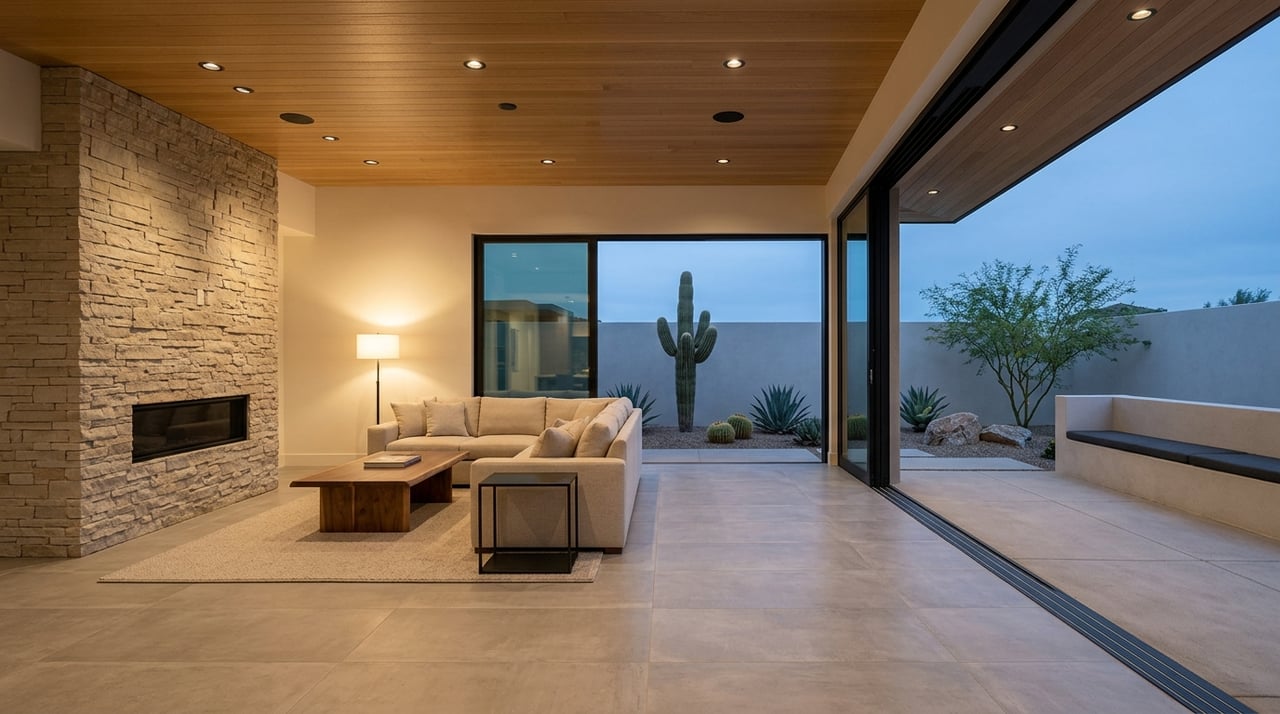
You will find luxury single-family homes, villas and casitas, custom lots, and a limited mix of attached product. Homes often orient to maximize mountain and desert views, with golf-front locations commanding premiums. Resale performance is shaped by membership access, HOA stability, architectural quality, home condition and upgrades, and any ability to rent within the rules. Buyers tend to reward properties that blend strong views with updated systems like HVAC, pool equipment, and irrigation.
Plan for two categories of recurring expenses:
Insurance needs are typical of luxury homes and may include added protection for pools or guest liability. Review your carrier’s guidance based on lot characteristics and amenities.
The Sonoran Desert climate brings a few practical realities:
Rental policies vary. Short-term rentals are often limited or restricted by HOAs, which can materially impact yield. Long-term leases are more common, with seasonality affecting demand. Peak demand tends to align with winter months, while summers are quieter. If you plan to finance, confirm terms for second homes or investment properties with a lender familiar with Marana and HOA-governed communities.
Use this list to streamline your evaluation of a specific home or neighborhood.
Dove Mountain offers a refined blend of golf, resort amenities, and wild Sonoran beauty. The tradeoff is straightforward. You get winter-season vibrancy, guarded privacy, and striking views, balanced by layered HOAs, summer heat, irrigation costs, and rental rules that vary by neighborhood. With a clear due diligence plan and local guidance, you can secure a home that fits your lifestyle and protects long-term value.
If you would like discreet, high-touch guidance from a local expert with developer-level insight, connect with Suzie Corona for a private consultation.
Get assistance in determining current property value, crafting a competitive offer, writing and negotiating a contract, and much more. Contact me today.